Recovery education
What is sober living?
A clear, honest guide to what sober living is, how it works, and how to choose a quality recovery residence — for anyone in recovery or supporting someone who is.
Home › What Is Sober Living
A clear, honest guide to what sober living is, how it works, and how to choose a quality recovery residence — for anyone in recovery or supporting someone who is.
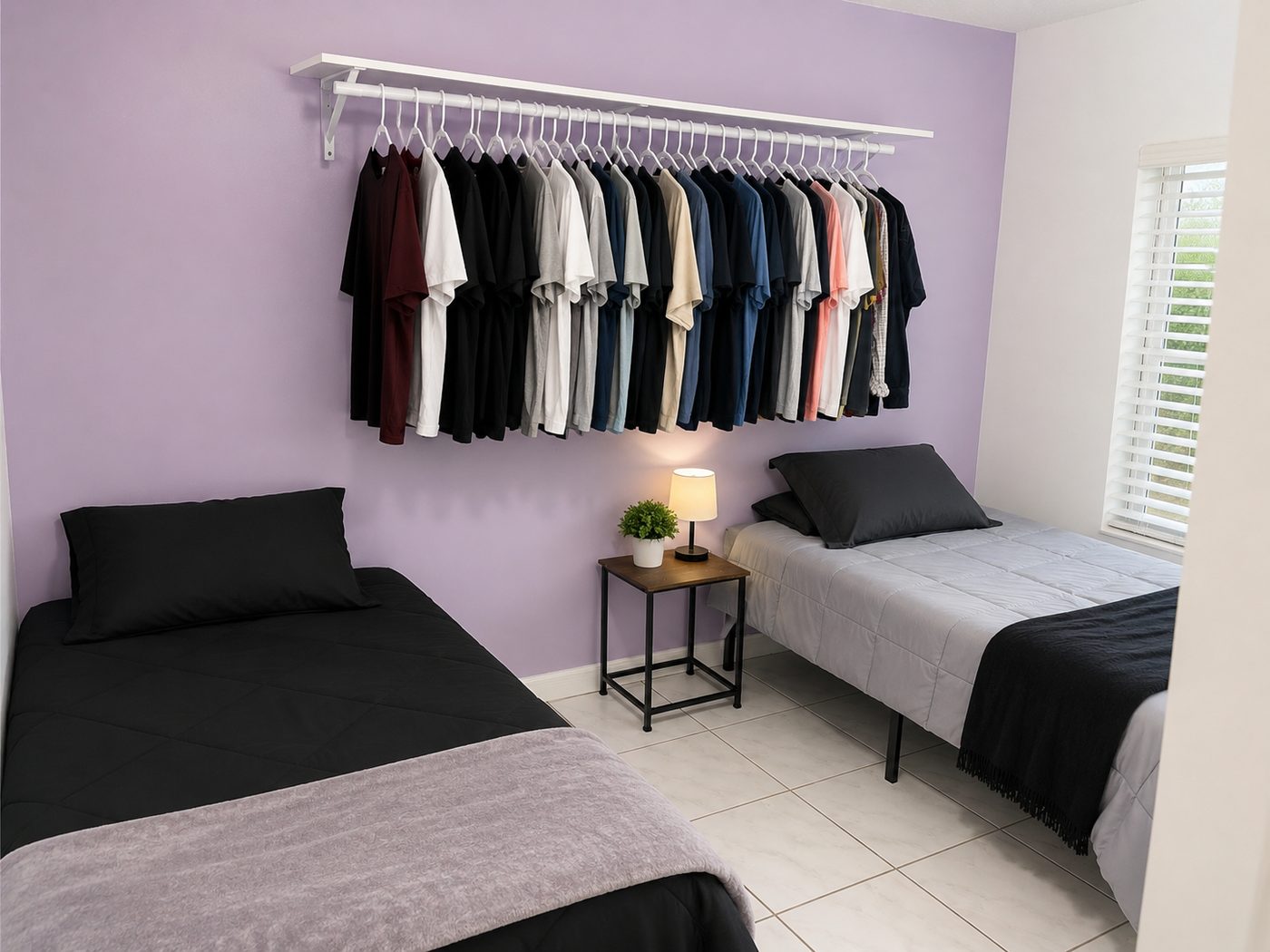
Sober living is a structured, drug- and alcohol-free home where people in recovery live together with shared expectations, accountability, and genuine peer support. It's also called a recovery residence or, in older language, a halfway house.
The idea is simple but powerful: recovery is hard to sustain alone, especially early on. A good sober living home surrounds someone with other people working toward the same thing, in an environment built to make the healthy choice the easy one. It's a place to live and rebuild — work, routine, relationships, and recovery — while standing on steadier ground than going it alone.
Importantly, sober living is housing, not healthcare. A recovery residence is not a treatment center and does not provide therapy, medical care, or clinical services. Residents bring and maintain their own recovery supports — meetings, sponsors, or outside providers — while the home provides structure, safety, and community.
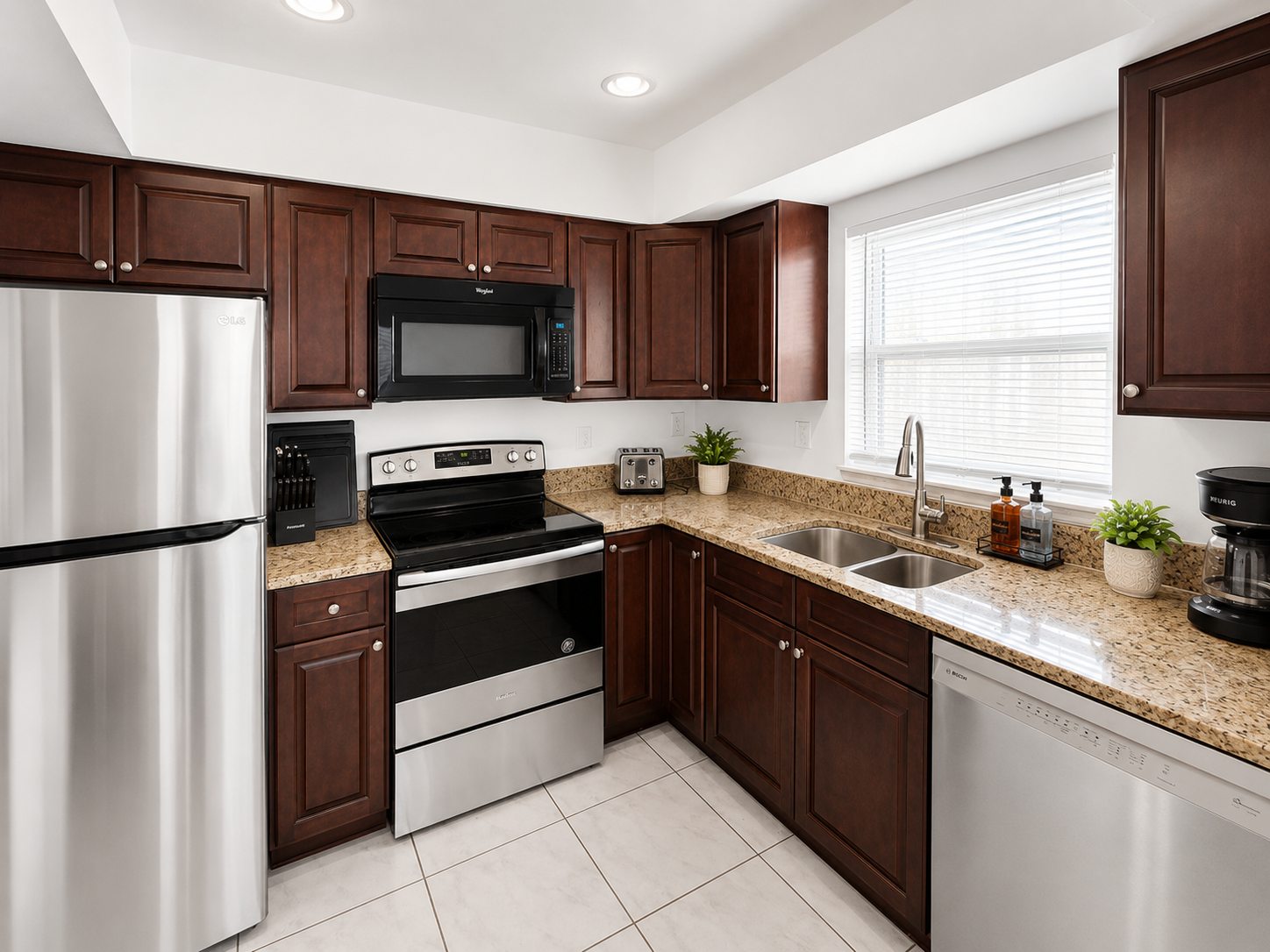
Quality recovery residences tend to share the same foundations. Here's what makes them work.
Clear house rules, routines, curfews, and expectations create the predictability that early recovery needs. Structure steadies the day so recovery can take root.
Consistent drug and alcohol screening, honest communication, and shared standards keep the home safe and everyone moving in the same direction.
Living alongside others in recovery builds real peer support — the brotherhood and connection that so often make recovery stick.
Residents work, job search, attend recovery support, and rebuild daily life — practicing the skills of responsible, sober independence in a supportive setting.
These terms get mixed up often, so here's the plain-language difference:
Anchor & Ascent is a recovery residence for adult men — a sober living home, not a treatment center. See who we serve →
Sober living is a strong fit for people who are committed to staying drug- and alcohol-free and want structure and support as they rebuild. It often helps men who are:
A good home is also honest about fit — a recovery residence is not a detox or medical setting, and the right placement starts with a real conversation.
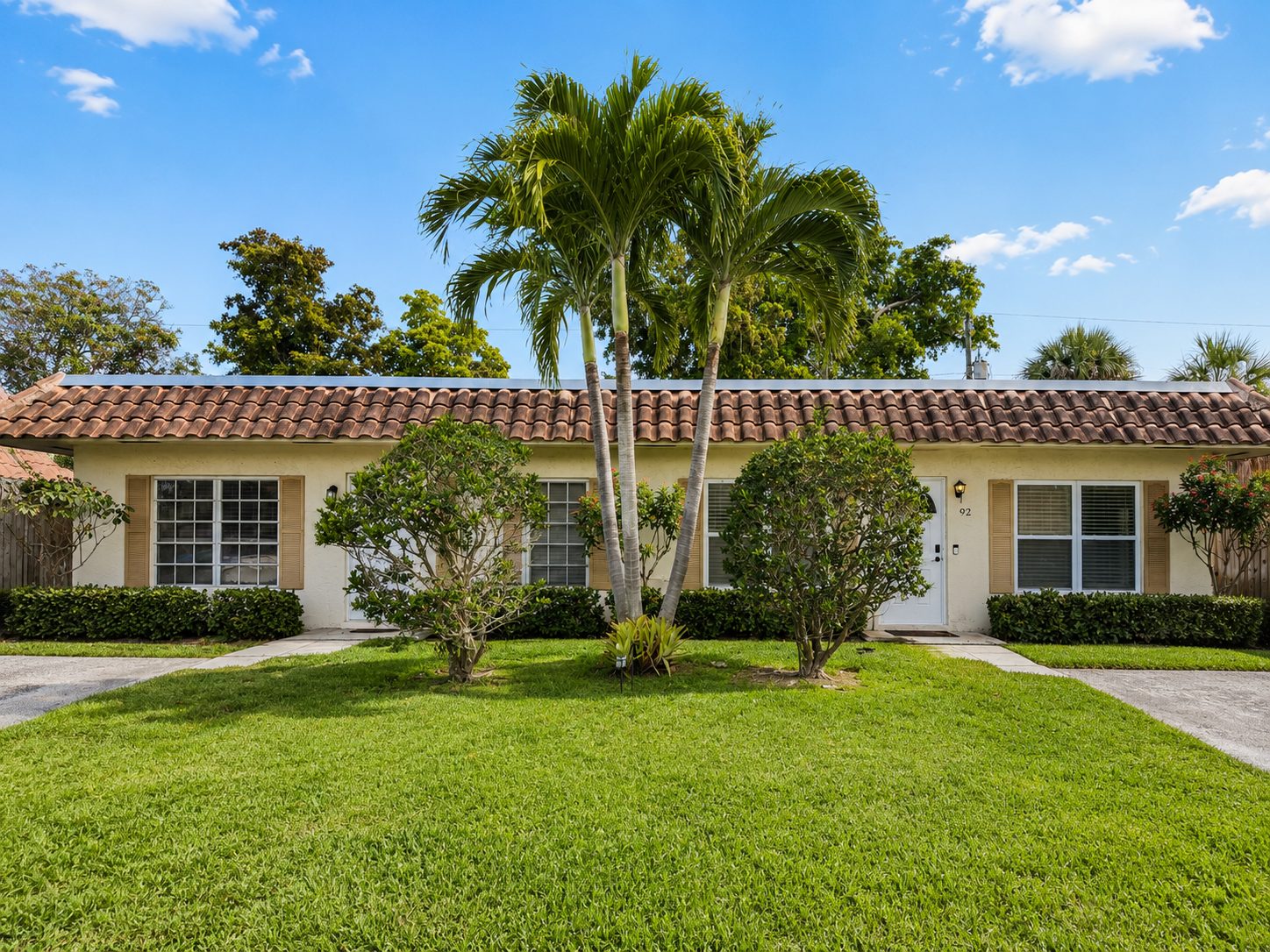
Not all sober living homes are run the same way. Here's what separates a well-operated home from the rest.
Look for owners and staff with real experience and credentials, like Certified Recovery Residence Administrators (CRRA), who take operations seriously.
Quality homes operate under a recognized standard such as the NARR Code of Ethics, with consistent, fairly applied rules and resident rights.
Consistent drug and alcohol screening, thoughtful resident screening, and a genuinely safe, respectful environment.
A trustworthy home tells you when it isn't the right placement and helps point toward the right resource instead of just filling a bed.
Clean, comfortable, well-maintained shared spaces — a place residents are actually glad to come home to.
Operators you can actually reach, who communicate clearly with residents and, within privacy limits, with families and referral partners.
Anchor & Ascent was built around every one of these. Meet the founders → · See our structure →
Whether you're a man seeking sober living, a family member, or a referral partner, we're glad to explain how it works and whether Anchor & Ascent is the right fit — no pressure.